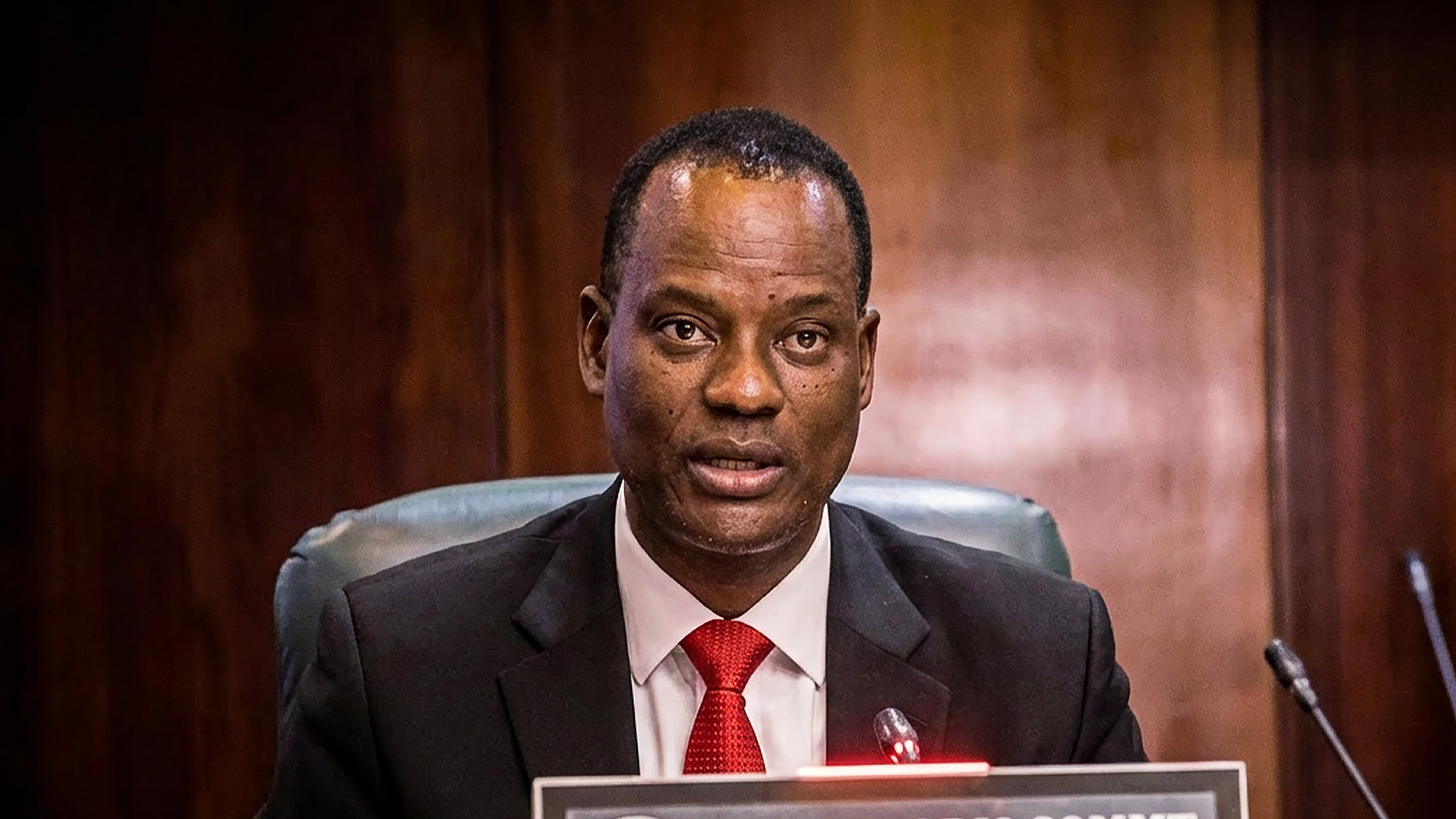
Taiwo Oyedele, Minister of State for Finance, has admitted that Nigeria’s new tax reform laws contain some mistakes, saying steps are already being taken to fix the problems.
He made this known during a fireside chat at the 2026 annual conference of the Nigerian Bar Association (NBA) Section on Legal Practice, with the theme “From Policy to Practice: Making Sense of Nigeria’s New Tax Reforms.”
A statement from the Fiscal Reforms Committee said he admitted that some inconsistencies happened during the law-making process because of procedural lapses.
He also asked Nigerians to wait for the outcome of the ongoing legislative investigation into the reported discrepancies.
In a post on social media on Friday, the Fiscal Reforms Committee said the minister explained “that errors occurred due to manual processes and multiple stages of review” during the drafting and legislative work.
He added that the problems will be corrected through a proposed Finance Bill meant to address all the issues.
“What we need is a more transparent and reliable legislative process where every version of a law is publicly available,” he said.
Oyedele stressed that the tax reforms will not be enforced in an unfair or random way, saying the policy is based on transparency, fairness, and clear intention.
He also said it is important to understand the reason behind tax laws, not just the wording, adding that policy intention should guide how the laws are interpreted and applied.
He pointed out problems in the old tax system, especially differences between personal and corporate taxes, which he said made it hard for businesses to formalise.
According to him, the new reforms are meant to push more businesses into the formal sector, improve consistency in policies, and reduce too much discretion in tax administration.
Looking back at earlier policy changes, he said unstable tax proposals in the past affected investor trust.
“If policies can change overnight, it sends the wrong signal to investors. Consistency is critical,” he said.
On fairness in taxation, Oyedele explained that the new system protects low-income earners and small businesses, noting that people earning about N1 million yearly and millions of small firms should not be overburdened.
“Nearly half of working Nigerians earn less than N70,000 monthly. Taxing them aggressively would be unjust,” he said.
He also said the reforms remove minimum tax requirements for businesses running at a loss, describing the old system as one that was basically taxing capital instead of real profit.
Oyedele further called for better use and efficiency of government revenue, noting that Nigeria is still behind countries like South Africa in tax collection performance.