
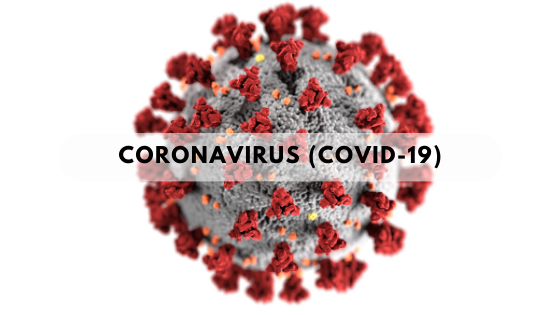
The Cross River State Government has confirmed that a Chinese national has been isolated at the University of Calabar Teaching Hospital after a suspected COVID-19 infection.
The State Commissioner for Health, Dr. Henry Egbe Ayuk, told journalists in Calabar on Tuesday that the patient is currently on treatment and under close medical watch.
COVID-19 first appeared in Nigeria in February 2020, which led the Federal Government to enforce a nationwide lockdown, just like many other countries, to reduce movement, close contact, and slow down the spread of the virus.
Ayuk explained that the Chinese national arrived in Nigeria through Lagos on March 17, 2026, and later travelled to Calabar on the way to a factory in Akamkpa Local Government Area. He said symptoms were first noticed at a clinic in that area.
He added that the patient was quickly referred to the University of Calabar Teaching Hospital, where isolation procedures were immediately put in place. The state also activated its public health response system.
“We have activated all necessary procedures, including contact tracing and isolation, to prevent further spread,” Ayuk said, adding that officials are working in collaboration with the Nigeria Centre for Disease Control.
He assured residents that the situation is under control and called for calm, while stressing the government’s commitment to stopping any possible outbreak.
Also speaking, the World Health Organization coordinator in the state, Dr. Olatunde Yewande, and the State Epidemiologist, Dr. Inyang Ekpenyong, said surveillance and response systems have been strengthened.
They noted that COVID-19, caused by SARS-CoV-2, can show symptoms such as fever, cough, tiredness, and breathing problems.
Health officials urged residents to maintain hygiene, get vaccinated, wear masks when needed, and avoid close contact with suspected cases, stressing that early detection and quick isolation remain key to stopping spread.