
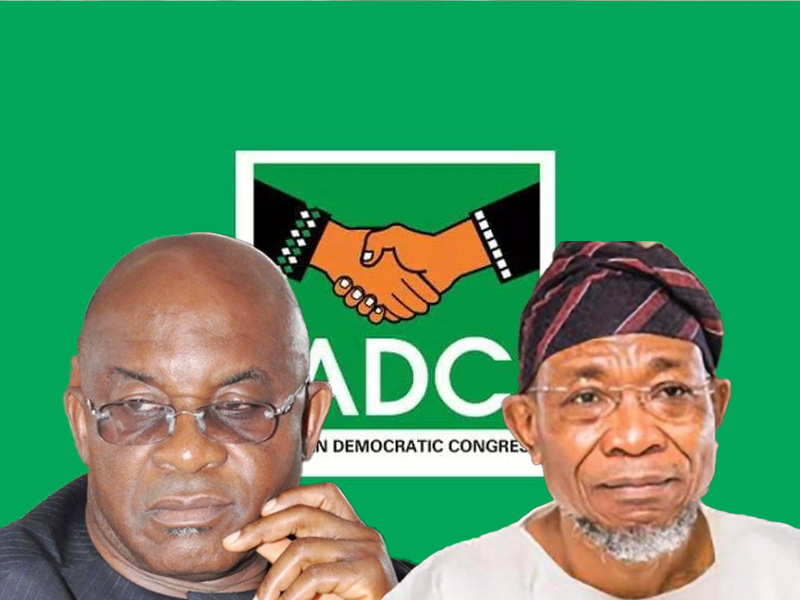
The African Democratic Congress (ADC) has thrown serious shade at INEC, accusing the electoral body of planting “deliberate administrative landmines” to block the party from fielding candidates in the 2027 elections.
In a strong statement from its National Publicity Secretary, Mallam Bolaji Abdullahi, ADC claimed that INEC’s recent moves could completely lock it out of the elections.
The row started after INEC announced it will no longer accept any letters or communication from ADC until the Federal High Court settles a leadership dispute.
While INEC says it’s just following procedure, ADC insists this could stop it from meeting the electoral deadlines set by law.
According to the party, the Electoral Act 2026 is clear: political parties must follow strict timelines, including giving 21 days’ notice for major activities and submitting necessary documents on time. INEC had already set May 10 as the cut-off date.
ADC argued that by refusing to receive its letters during this period, INEC is effectively stopping the party from obeying the law.
“In simple terms, INEC is threatening that unless the courts deliver judgment on the ADC leadership issue by May 10, it will prevent the party from producing candidates,” the statement said.
The party said this puts it in a “no-win situation,” creating what it calls a way for INEC to claim it didn’t comply with the law and use that to shut it out of the polls.
ADC reminded Nigerians that INEC had already recognised its leadership. The commission attended the July 29, 2025 NEC meeting, monitored the proceedings, and updated its records showing Senator David Mark as National Chairman and Ogbeni Rauf Aregbesola as National Secretary.
“These are not claims. They are facts contained in INEC’s own records,” the party stressed.
The party also cited a sworn affidavit INEC filed in the Federal High Court in September 2025, confirming that ADC’s leadership change was completed and recognised, and that internal party issues are not for the courts to decide.
Yet, ADC said INEC is now taking a completely opposite position—freezing communication while still insisting on strict deadlines.
INEC had said its April 1 decision was meant to protect ongoing court cases. But ADC rejected this, saying the move interferes with due process and has “clear legal and operational consequences.”
The party warned that this could hurt democracy and urged INEC to reverse the decision immediately.
“We urge the commission to resume acceptance of all lawful correspondence from the ADC and uphold its constitutional responsibility to ensure a level playing field for all political parties,” the statement added.
ADC also called on Nigerians to watch closely, claiming the drama is part of wider efforts to undermine democratic processes.