
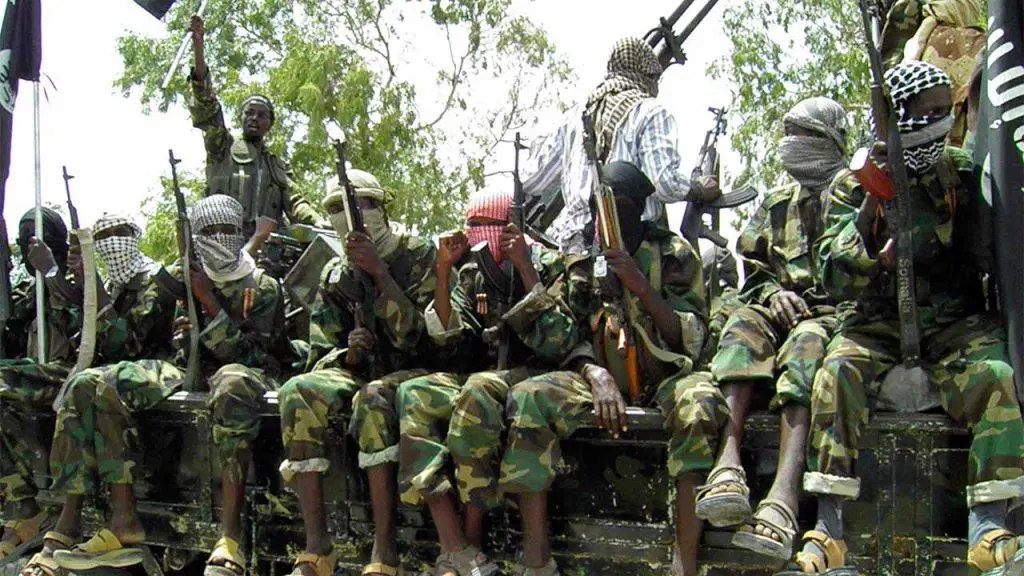
The Defence Headquarters says JAS terrorists were behind the recent school kidnappings in Oyo State — and the fallout has people whispering that kidnapping in the South‑West is changing its face.
The gruesome beheading of Michael Oyedokun — a maths teacher taken during the Ogbomoso raids — looks disturbingly like North‑East terror tactics. “The recent incidence of kidnap in Oyo State was clearly perpetrated by terrorists of the JAS Group that have been dislodged from other parts of the country due to high-intensity operations being conducted all over,” Kangye had said in a statement.
JAS, an offshoot of the Boko Haram insurgency, is known for mass killings, school attacks and the infamous 2014 Chibok abduction. Security experts now warn a dangerous mix of terrorism and ransom gangs is taking root in the South‑West.
“What this reveals is that kidnapping in Nigeria is no longer merely a ransom business. It increasingly overlaps with terrorism, banditry, cult violence, political intimidation, revenge attacks and organised criminal financing”, Sam Otoboeze said.
Why schools? They are symbolic, strategic and guaranteed to grab headlines. Why the South‑West? Large forest belts across Oyo, Ondo, Ekiti, Ogun, Kwara and Kogi offer perfect hideouts. “When our control systems collapse and policing does not effectively manage these developments, criminals operate with absolute impunity,” Alfred Ononugbo warned.
The May 15 Orire attack saw 49 abducted — pupils, teachers and a toddler — three shot and Oyedokun later beheaded. Weeks on, about 45 remained captive. Other high‑profile cases include relatives of ex‑minister Adebayo Adelabu, killings near Old Oyo National Park, kidnappings in Ekiti and massive raids in Kwara’s Woro and Adanla communities. SBM Intelligence called early 2026 “a period of significant escalation.”
“The motive is power has shifted in our favour and we will exercise it. Who can question us? Execution, killing, decapitation, whatever name we call it, is a show of power,” Dr Sunday Amosu said.
“When people do such things, it’s because they want maximum impact. They want to send a tough message. That’s why you call them terrorists because they want to terrorise people. And how do you terrorise people? It’s by doing something that is extreme.”
“The desire to create fear and terror within communities to strengthen their reputation is one of their aims,” Dr Ahmed Tanimu Mahmoud added.
“In more organised criminal environments, kidnappers do not usually set out to kill victims after ransom payment because the primary objective is financial gain”, Otoboeze said. “However, victims may still be killed because of fear of identification and exposure, pressure from advancing security operations, internal disorder within the gang, or because the abduction was never purely financially motivated in the first place.”
The DHQ’s finding is a clear warning: insurgents pushed from the North‑East may be embedding into South‑West kidnapping networks.
