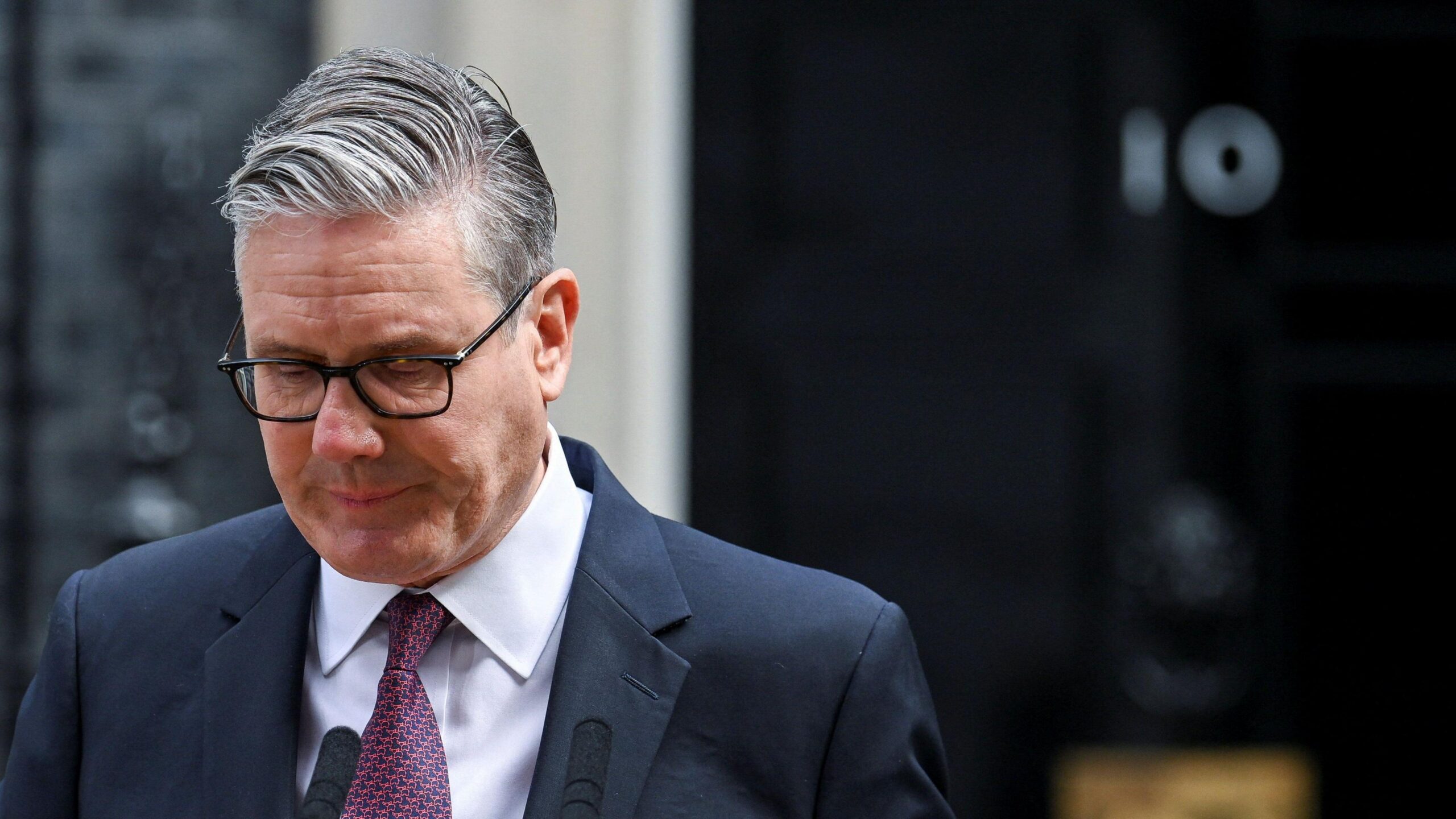
Sir Keir Starmer resigned on Monday, a dramatic end to a premiership that began with one of Britain’s biggest election wins and died in under two years.
He beat Rishi Sunak in July 2024, returning Labour after 14 years with a 174-seat majority. But dwindling poll ratings, Labour infighting and anger over slow progress on growth and the cost of living ate away at his authority.
It was not one sudden error but a pile-up: scandals, policy failures, rebellions and a final blow from inside his party. Critics said he never set a clear political vision, seeming cautious and managerial rather than transformative. By September 2025 only 14% approved of his government and 69% disapproved. By January 2026, 75% viewed him unfavourably, a net favourability of negative 57 — a low only previously matched by Liz Truss, who lasted 49 days.
The biggest mistake was appointing Peter Mandelson as ambassador to the US in December 2024. Revelations about Mandelson’s past relationship with convicted sex offender Jeffrey Epstein sparked outrage. US Congressional committee documents revealed deeper ties, forcing Mandelson’s dismissal seven months into his posting. Chief of Staff Morgan McSweeney resigned in February 2026, taking responsibility for advising the appointment. Starmer admitted the error and apologised, but the damage stuck.
He faced criticism from the right on immigration and taxes and from the left over Gaza, welfare reform and refusing a wealth tax. A 2025 immigration speech calling Britain an “island of strangers” enraged the party’s liberal wing and pushed voters to the Greens, without reclaiming those drifting to Reform UK.
Poor local election showings in 2025 and 2026, and the loss of about 20 ministers in under two years — nearly half citing no confidence — worsened the crisis. By mid‑May 2026 over 95 Labour MPs had urged him to quit; Health Secretary Wes Streeting and four juniors had already gone. In June Defence Secretary John Healey and two MoD officials quit over defence spending.
His refusal to join the US military campaign against Iran, which began in February 2026, soured ties with President Donald Trump. International praise for rallying European support for Ukraine and calming Iran fallout won little domestic credit. Trump’s prediction of his resignation on Truth Social the day before added public humiliation.
The final straw came on 18 June 2026, when former Greater Manchester Mayor Andy Burnham won the Makerfield by‑election. The sitting Labour MP had stepped down to let Burnham mount a leadership challenge. Burnham took almost 55% of the vote, beating the nearest Reform UK rival by over 9,000. Backed by more than 200 Labour MPs and with Foreign Secretary Yvette Cooper among cabinet ministers privately urging him to go, Starmer spent the weekend at Chequers and then concluded the game was up. An Ipsos poll that day found 52% thought he should stand down, up five points on the month.
His exit makes him the sixth prime minister in ten years to leave Downing Street early — almost exactly ten years to the day since the UK voted to leave the EU.
Whistler.
